
Horses can experience various skin injuries, wounds, inflammation, and soft tissue problems throughout their lives. Whether caused by everyday activities, training, or accidents, these conditions require appropriate care to support recovery. Alongside conventional veterinary treatment, light-based therapies are gaining attention as complementary approaches to animal care.
Bioptron light therapy is a non-invasive treatment that uses specially designed light to stimulate biological processes in the body. It is designed to support the body's natural regenerative activity and is being used in different areas of veterinary care. Understanding how this technology works can help horse owners explore its potential role in equine wound management and recovery.
What Is Bioptron Light Therapy?
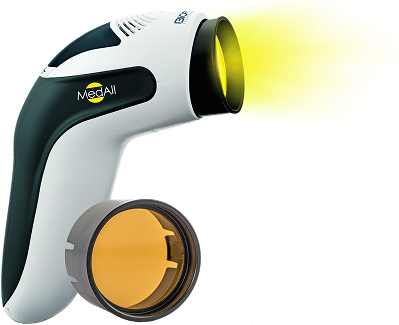
Bioptron light therapy uses a specialized light source that delivers polarized, polychromatic, incoherent, and low-energy light to the treatment area. Unlike conventional laser treatments, it does not rely on a single concentrated wavelength.
The technology combines different wavelengths of visible and infrared light, ranging from approximately 350 to 3,400 Nanometers in the Hyperlight system. Its light is UV-free and designed to deliver controlled energy to the skin and underlying tissues.
The purpose is to stimulate natural biological responses, including cellular activity and processes associated with tissue regeneration. This approach is commonly described as photobiostimulation.
How Does Bioptron Light Therapy Work?
To understand how Bioptron works, it helps to look at the four main characteristics of its light technology.
1. Polarized Light
Bioptron produces polarized light, meaning its light waves move in organized, parallel planes. The technology uses an optical system designed to achieve approximately 95% polarisation.
Polarized light is intended to interact with biological tissues and support processes associated with circulation and cellular activity.
2. Polychromatic Light
Unlike treatments that use only one wavelength, Bioptron delivers a broad spectrum of visible and infrared light.
Different wavelengths interact with biological tissues in different ways. This broad-spectrum approach is designed to stimulate cellular responses and support the body's natural recovery processes.
3. Incoherent Light
Bioptron light is incoherent, meaning its light waves are not synchronised in the same way as laser light.
It delivers low-intensity light without the concentrated energy associated with high-intensity laser systems. This makes it a different approach to light-based therapy.
4. Low-Energy Light
Bioptron uses controlled, low-energy light exposure. Its technology is designed to deliver a consistent energy dose to the treatment area rather than relying on high-intensity energy.
Together, these four characteristics form the foundation of Bioptron light therapy.
How Can Bioptron Hyperlight Help Horses?
Equine skin and soft tissue injuries can require careful management, particularly when wounds occur in areas exposed to movement, friction, or environmental contamination.
Bioptron Hyperlight for horses offers a non-invasive light therapy approach that can be considered as part of a veterinarian-guided care plan.
Light-based photobiomodulation research explores how light exposure may influence biological processes involved in tissue repair, including:
-
Cellular activity: Light exposure can influence cellular responses associated with tissue maintenance and regeneration.
-
Collagen production: Collagen is an important structural protein involved in tissue repair and skin strength.
-
Microcirculation: Changes in local blood flow may help support the delivery of oxygen and nutrients to tissues.
-
Inflammatory responses: Photobiomodulation is being studied for its potential influence on biological pathways associated with inflammation.
These mechanisms help explain why light therapy is attracting interest in equine care. However, outcomes depend on the condition, treatment protocol, and individual horse. Research involving other light devices should not automatically be interpreted as proof of Bioptron-specific results in horses.
Horse Healing Therapy: A Complementary Approach to Wound Care
Effective horse healing therapy involves more than addressing the visible injury. It requires understanding the underlying condition, maintaining appropriate wound hygiene, and supporting the horse throughout recovery.
Light therapy may offer an additional option within a broader wound management Program. However, it should complement rather than replace veterinary assessment, wound cleaning, infection management, and other necessary treatments.
A veterinarian can determine whether Bioptron therapy is appropriate for a particular injury and recommend a suitable treatment schedule.
Horse owners should also remember that wounds involving deep tissue, significant swelling, infection, or persistent bleeding require prompt veterinary attention.
Is Bioptron Light Therapy Suitable for Every Horse?
Bioptron technology is designed as a non-invasive treatment, but its suitability depends on the horse's condition and individual care requirements.
Before introducing light therapy, consider:
-
The type, size, and location of the injury.
-
Whether the wound has been properly assessed and cleaned.
-
Any signs of infection or complications.
-
Other treatments currently being used.
-
The recommended application method and treatment duration.
Following veterinary guidance helps ensure that complementary therapies are used appropriately and do not delay necessary medical care.
Support Equine Recovery With Horse Wound Care
Understanding the science behind Bioptron light therapy gives horse owners another perspective on modern approaches to equine wound management. By combining specialized light technology with appropriate veterinary care, horse owners can explore additional ways to support their animals' recovery.
At Horse Wound Care, we are committed to providing resources and specialized solutions that help horse owners and veterinary professionals make informed decisions about equine care.
Explore our Bioptron Hyperlight technology to learn more about its potential role in supporting equine wound care and recovery.